The Challenges of MacBook Neo Thermal Limits
play_arrow0:10 The MacBook Neo is a portable, fanless machine that experiences heavy thermal throttling during intensive tasks. Because the stock cooling relies on a thin graphene pad, the processor quickly reaches high temperatures, forcing the system to slow down to prevent damage.
Quick Performance Gains with Thermal Pads
play_arrow2:12 A simple 2-minute fix involves installing a 2mm thermal pad to replace the stock cooling material. This modification bridges the physical gap between the internal components and the aluminum bottom plate, effectively turning the entire laptop chassis into a heatsink.
play_arrow3:35 Tests show that this basic thermal pad upgrade provides a noticeable boost in sustained clock speeds, though the bottom of the case becomes significantly hotter during use.
Engineering a Custom Copper Water Block
play_arrow5:45 To achieve maximum cooling efficiency, a custom water block was designed specifically to fit the internal layout of the Neo. The process involved precise measurements to ensure it cleared nearby internal components while maintaining contact with the processor.
play_arrow8:00 The design was brought to life using a Makera Carvera Desktop CNC machine to mill a solid block of copper. This block features internal micro-channels designed to maximize surface area contact with the cooling liquid.
play_arrow12:30 After milling, the block was fitted with custom gaskets and O-rings to prevent leaks inside the laptop, followed by a pressure test to ensure stability.
Building the External Liquid Loop
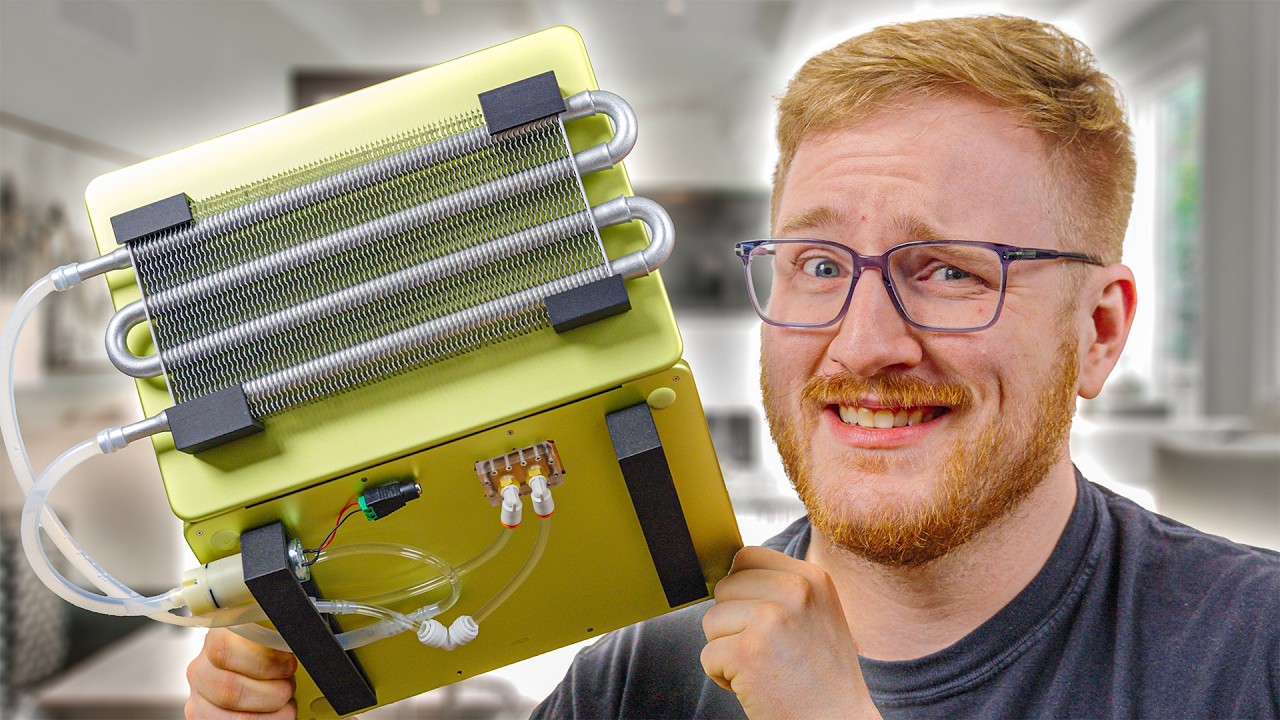
play_arrow13:32 Holes were precision-drilled into the bottom of the MacBook Neo case to allow the intake and outtake plumbing to pass through. The block was then secured using thermal paste and the original mounting hardware.
play_arrow15:45 The external loop consists of a power steering cooler used as a radiator and an Apollo Pump-1 smart watering pump. This setup allows for high-volume liquid flow to keep the internal copper block cool even under extreme stress.
Final Benchmark and Results
play_arrow18:05 With the water cooling system active, the MacBook Neo maintained its maximum turbo speeds indefinitely. The results demonstrate that the internal silicon is capable of significantly higher performance than the stock fanless design allows, successfully creating one of the fastest MacBook Neo configurations available.