Launching the CodeX Podcast
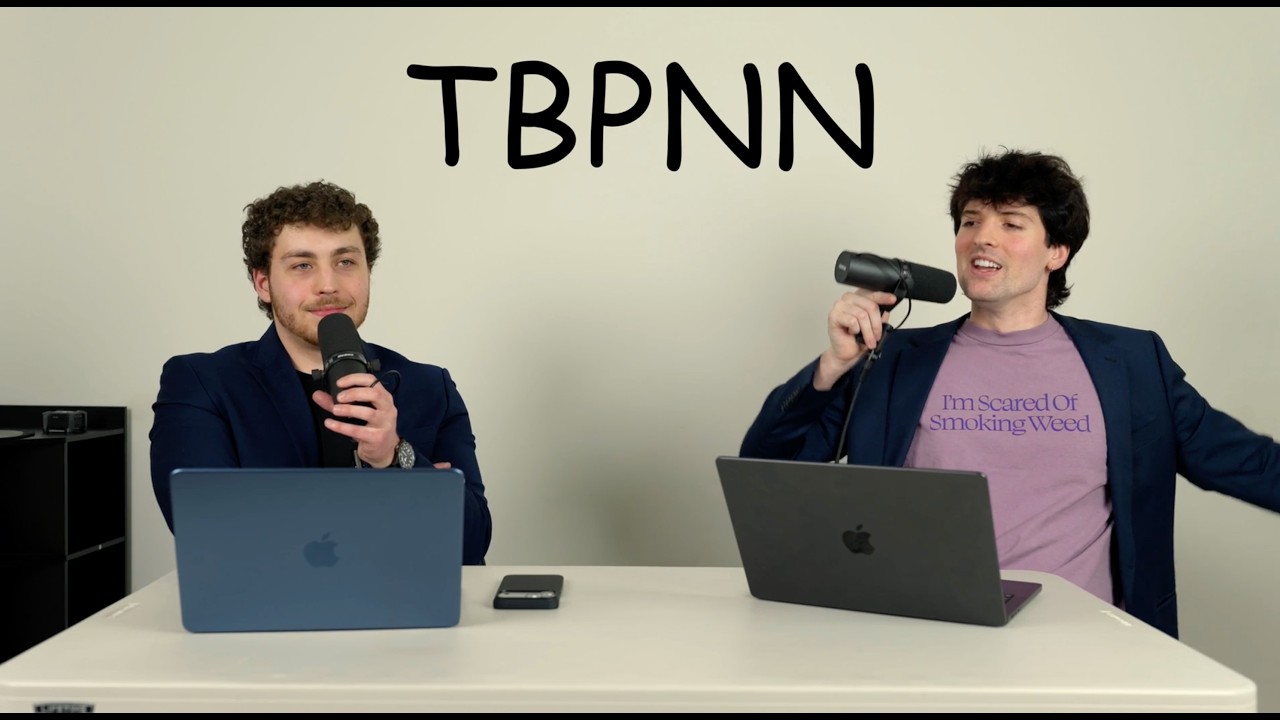
• play_arrow0:29 Theo and Ben introduce their new platform for unfiltered tech discussions, moving away from purely clickbait content to explore deep-dive nerd snipes and weekly industry news.
Anthropic's Reputation Crisis
• play_arrow4:39 The hosts detail a series of major blunders from Anthropic, including the Claude Code source leak, sudden rate limit reductions, and the controversial decision to ban third-party wrappers from using subscription-based inference.
• play_arrow10:45 Users experienced a massive rate limit crunch during peak hours without prior warning, revealing Anthropic's struggle to manage compute resources relative to high demand.
• play_arrow14:40 Unlike competitors like OpenAI or Google, Anthropic charges users for cache writes, a technical nuance that significantly increases the cost of long-context interactions.
The Technical Failure of the Source Leak
• play_arrow18:20 Anthropic accidentally published the source code for Claude Code to npm. This secret sauce was exposed not by a malicious actor, but by a basic engineering oversight.
• play_arrow28:45 The leak occurred because Anthropic's team was publishing packages directly from local machines instead of using a Continuous Integration (CI) pipeline, allowing local source maps to be bundled into the public release.
Legal and Communication Blunders
• play_arrow34:00 Anthropic issued a 24-hour notice banning users from using their subscriptions with third-party tools, effectively forcing them into the official Claude Code terminal or expensive API pricing.
• play_arrow45:15 Leading developers like Matt Pocock expressed extreme frustration over the lack of clarity regarding the Agent SDK and legal usage of Claude Code wrappers for educational purposes.
• play_arrow54:40 Anthropic launched a massive wave of DMCA strikes on GitHub, resulting in 8,100 invalid takedowns, including a strike against Theo for a legitimate one-line documentation pull request.
The Shift to Minimalist AI Agents
• play_arrow1:06:45 Ben introduces Pi, a minimalist coding agent harness that prioritizes a tiny system prompt and a small toolset over the token-slop approach of official lab tools.
• play_arrow1:13:40 The philosophy of Pi focuses on a self-healing loop where the agent can modify its own source code and configuration, avoiding the context pollution common in larger frameworks.
• play_arrow1:19:20 While many frameworks include Language Server Protocol (LSP) tools for error checking, Ben argues that these are often too token-hungry and can actually degrade model performance by over-polluting the history.